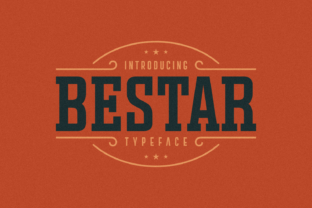
Bestar: A Strategic Choice for Bold Visual Communication
Bestar is more than just a font—it's a design tool that can elevate the visual identity of any project. As a stunning slab serif display font, Bestar combines the elegance of vintage typography with the clarity and impact needed for modern communication. Its retro appeal resonates with audiences while its clean structure ensures readability across various mediums. For professionals, creators, and decision-makers, Bestar offers a unique opportunity to blend nostalgia with innovation in a way that feels both intentional and effective.
Strategic use of Bestar can transform how messages are perceived. Whether you're designing a brand logo, crafting a marketing campaign, or developing a website layout, this font provides a strong visual anchor that commands attention without overwhelming the viewer. Its bold strokes and balanced proportions make it ideal for headlines, titles, and key messaging elements where impact matters most.
Why Bestar Matters in Modern Design
In an era where digital content is abundant, standing out requires more than just good ideas—it demands thoughtful execution. Bestar helps achieve this by offering a distinctive aesthetic that aligns with both historical inspiration and contemporary needs. Its versatility allows it to work in a wide range of applications, from print materials to web interfaces, making it a valuable asset for anyone involved in visual storytelling.
For entrepreneurs and small business owners, Bestar can be a strategic choice when building brand identity. A well-chosen font can communicate values, personality, and professionalism. By using Bestar, businesses can create a visual language that feels authentic and memorable. This is especially relevant for brands targeting audiences who appreciate craftsmanship, heritage, or a touch of sophistication.
Marketers and advertisers also benefit from Bestar’s ability to convey confidence and clarity. In campaigns where message retention is critical, the font’s strong presence ensures that key points are not only seen but remembered. When paired with complementary design elements, Bestar can reinforce brand messaging and create a cohesive visual experience that supports broader marketing goals.
When to Use Bestar: Practical Scenarios
Understanding when to use Bestar is as important as knowing how to use it. It excels in situations where visual impact and readability are equally important. For instance, in print media such as brochures, posters, or packaging, Bestar can add a sense of authority and style that enhances the overall presentation. Its boldness makes it suitable for headings, captions, and other prominent text elements.
On the web, Bestar works best in limited quantities. Overusing it can lead to clutter and reduce legibility. It’s most effective as a headline font, used sparingly to draw attention to key sections of a webpage. When combined with simpler fonts for body text, Bestar can create a visual hierarchy that guides users through content efficiently.
For educators and content creators, Bestar can be a useful tool in presentations or educational materials. Its clear structure and strong visual presence help emphasize important points, making it easier for audiences to follow along. However, it’s essential to balance its use with other typographic elements to avoid overwhelming the reader.
How to Approach Bestar Strategically
Before incorporating Bestar into a design, consider the context and audience. What is the primary goal of the project? Who is the target audience? How does the font align with the overall message and tone? These questions help ensure that Bestar is used intentionally rather than arbitrarily.
A practical approach involves testing the font in different scenarios. Experiment with size, spacing, and color to see how it performs in various settings. This process helps identify the optimal ways to leverage Bestar’s strengths while minimizing potential drawbacks. For example, adjusting line height and letter spacing can improve readability, especially in longer blocks of text.
Collaboration is also key. Working with designers, copywriters, or developers can provide new perspectives on how Bestar can be used effectively. Their insights may reveal opportunities to enhance the visual and functional aspects of a project, ensuring that the font contributes meaningfully to the final outcome.
Considerations Before Relying on Bestar
While Bestar has many advantages, it’s not a one-size-fits-all solution. One common pitfall is using it without a clear purpose. Without a defined strategy, the font can become a distraction rather than a tool for communication. This is especially true in digital environments where user experience and accessibility are critical factors.
Another consideration is the need for consistency. If Bestar is used in multiple places, it should maintain a cohesive look and feel throughout all materials. Inconsistent application can dilute its impact and confuse the audience. Establishing guidelines for its use ensures that it remains a powerful element of the design system.
Additionally, it’s important to evaluate whether Bestar aligns with the broader design philosophy. Does it complement other visual elements? Does it support the intended message? Answering these questions helps determine whether the font is the right choice for the project at hand.
Bestar in Action: Real-World Applications
Many successful brands have used similar fonts to create a lasting impression. For example, a boutique coffee shop might use Bestar in its logo to evoke a sense of tradition and quality. A tech startup could incorporate it in a landing page headline to add a touch of creativity and confidence. In both cases, the font serves a specific purpose that aligns with the brand’s identity and goals.
For bloggers and publishers, Bestar can be an effective way to highlight article titles or section headers. This not only improves the visual flow of content but also helps readers quickly identify key sections. However, it’s important to avoid overuse, as too much emphasis can diminish the font’s effectiveness.
Freelancers and creatives can also benefit from Bestar in portfolio presentations. Using it for project titles or client names adds a professional and polished look, reinforcing the quality of their work. When used thoughtfully, it can help differentiate their offerings in a competitive market.
Long-Term Value of Intentional Font Choices
The long-term success of a project often depends on the details, including typography. Choosing a font like Bestar with intention can lead to better outcomes in terms of brand recognition, user engagement, and overall effectiveness. It’s not just about aesthetics—it’s about creating a consistent and meaningful visual experience.
As trends evolve, the strategic use of fonts like Bestar ensures that designs remain relevant and impactful. By focusing on purpose and context, professionals can make choices that stand the test of time. This approach not only enhances current projects but also builds a foundation for future success.
In conclusion, Bestar is more than a stylistic choice—it’s a strategic asset that can enhance communication, support branding efforts, and contribute to long-term results. When used with care and consideration, it becomes a powerful tool for achieving clarity, impact, and authenticity in visual design.