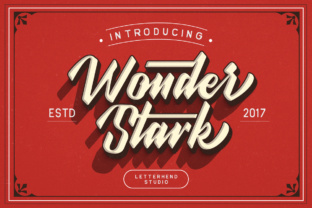
Wonder Stark: A Bold Choice for Dynamic Design
Wonder Stark is a script typeface that combines strength with elegance, making it a powerful tool for designers and creators. Its bold characteristics and distinctive style can elevate any project, from eye-catching headlines to professional invitations. However, while Wonder Stark offers a lot of potential, it's important to understand how to use it effectively to avoid common pitfalls.
Understanding Wonder Stark: What Makes It Unique
Wonder Stark stands out due to its strong, bold structure. Unlike more delicate script fonts, this typeface has a confident presence that commands attention. It works well in situations where you need to make a statement, whether it's for a marketing campaign, a wedding invitation, or a product label. The font’s weight and clarity ensure readability even at smaller sizes, which is a key advantage in many design scenarios.
One of the reasons people are drawn to Wonder Stark is its versatility. It can be used in both digital and print formats, and its boldness makes it ideal for headlines and logos. However, not all users fully appreciate how to balance its strength with other design elements.
Mistakes to Avoid When Using Wonder Stark
A common mistake is using Wonder Stark in large blocks of text. While it looks great in short phrases or titles, it can become overwhelming if used excessively. This leads to poor readability and a cluttered appearance. For example, a website with a long paragraph in Wonder Stark may frustrate readers who struggle to follow the content.
Another oversight is not considering the context of the design. Wonder Stark may not be the best choice for a minimalist or modern layout where subtlety is key. In such cases, a cleaner typeface might be more appropriate. Choosing the wrong font can affect the overall message and user experience.
Some users also fail to check the licensing terms before downloading or purchasing Wonder Stark. Font licenses vary, and using a font without proper permissions can lead to legal issues. Always verify that the license allows for your intended use, whether it's personal, commercial, or for a client project.
How to Use Wonder Stark Effectively
To get the most out of Wonder Stark, start by using it strategically. Apply it to headlines, logos, or callout text where it can shine without overshadowing other elements. Pair it with a simpler, more neutral font for body text to create a balanced look. For instance, a blog post could use Wonder Stark for the title and a sans-serif font like Arial or Helvetica for the paragraphs.
Testing the font in different sizes and settings is also crucial. What works on a poster may not translate well to a business card or a social media graphic. Experiment with spacing, color contrast, and layout to see how Wonder Stark performs in various contexts.
Additionally, consider the tone of your project. Wonder Stark is best suited for designs that require energy, confidence, or a touch of flair. If your message is more subdued or formal, a different typeface might be more effective. Always align the font with the overall aesthetic and purpose of your work.
Key Considerations Before Using Wonder Stark
Before incorporating Wonder Stark into your design, ask yourself a few important questions. Is the font available in the right format for your needs? Are there alternative fonts that might better suit your project? Do you have the necessary licensing rights?
It's also wise to review examples of how others have used Wonder Stark. Look at design portfolios, websites, or advertisements that feature the font to get a sense of its effectiveness. This can help you avoid overused or unoriginal applications.
Finally, don’t hesitate to seek feedback. Share your design with colleagues, friends, or online communities to get insights on how the font is perceived. Sometimes an outside perspective can reveal issues you didn’t notice.
Choosing the Right Tools for Wonder Stark
When working with Wonder Stark, make sure you're using the right software and tools. Most design programs, such as Adobe Illustrator, Photoshop, or Canva, support custom fonts. However, some platforms may have limitations or require specific file types. Always confirm compatibility before starting a project.
Another consideration is the file size and quality. High-quality font files ensure sharp, clean output, especially when printed. Low-resolution or corrupted files can lead to blurry or distorted text, which can damage the professionalism of your work.
If you’re unsure about the technical aspects, consider reaching out to a designer or font specialist for guidance. They can help you navigate the complexities of font usage and ensure your final design meets your expectations.
Conclusion: Make Smart Choices with Wonder Stark
Wonder Stark is a powerful and versatile script typeface that can add impact to your designs. However, its effectiveness depends on how it's used. By avoiding common mistakes, understanding its strengths and limitations, and making informed decisions, you can maximize the benefits of this bold font.
Whether you're a beginner or an experienced designer, taking the time to learn about Wonder Stark and its applications will help you create more compelling and professional work. With the right approach, this font can become a valuable asset in your design toolkit.