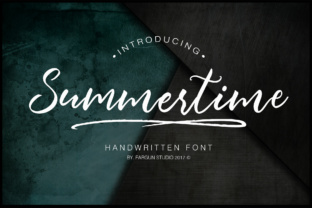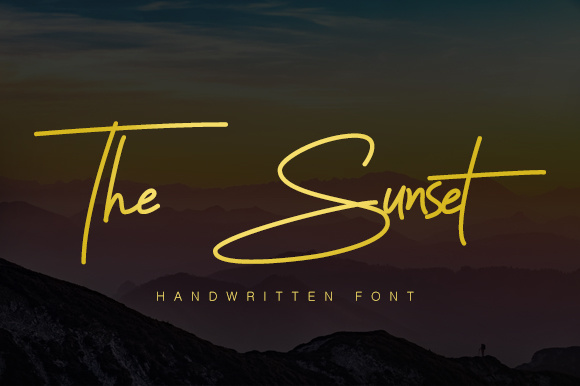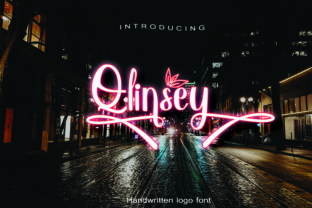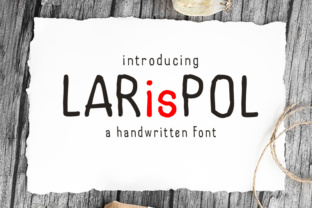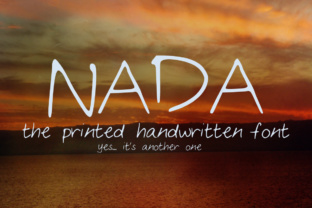
Nada: A Handwritten Font with Personality
When it comes to adding a personal touch to your designs, Nada stands out as a simple yet expressive handwritten font. Its clean lines and natural flow make it ideal for projects that benefit from a humanized aesthetic. Whether you're working on a logo, social media graphic, or editorial layout, Nada brings a sense of warmth and approachability that other fonts might lack.
Designed with a focus on readability and versatility, Nada is more than just a pretty font—it's a tool that can elevate your creative work. Its subtle imperfections mimic the way we write by hand, giving it a unique character that feels authentic. This makes it perfect for brands looking to communicate a more personal, relatable identity.
What Makes Nada Unique?
Nada is a handwritten font that balances simplicity with charm. It doesn’t have the rigid structure of a traditional serif or sans serif typeface, nor does it try to be overly ornate like some script fonts. Instead, it sits in a sweet spot—easy to read, easy to use, and visually appealing without being distracting.
The font’s personality is friendly and modern. Its strokes are smooth but not too uniform, which gives it a sense of movement and energy. This makes it great for headlines, captions, and short phrases where visual interest matters. Unlike some fonts that demand attention, Nada blends in well while still standing out when needed.
One of the key strengths of Nada is its adaptability. It works across a wide range of design contexts, from digital to print, and from casual to professional settings. Its minimalistic approach means it doesn’t overpower other elements in a composition, making it an excellent choice for designers who want to maintain clarity while adding a personal flair.
Where Nada Shines in Design Projects
Nada excels in applications where a human touch is valuable. For example, in logo design, it can add a sense of individuality and creativity. Brands that want to feel more approachable or artisanal often choose this font to reflect their values. It’s also popular in packaging design, where a handwritten look can make products stand out on shelves.
In web design, Nada can be used for headings, call-to-action buttons, or feature sections. Its legibility at smaller sizes makes it suitable for digital interfaces, while its style adds a layer of visual interest. When paired with a clean sans serif, it creates a balanced contrast that enhances readability without sacrificing style.
For social media graphics, Nada is a go-to option. It helps create eye-catching visuals that feel more personal and engaging. Whether you’re designing a post for Instagram, a Facebook banner, or a Twitter header, Nada adds a touch of authenticity that resonates with audiences.
How Nada Influences Branding and Audience Connection
Typography plays a crucial role in how a brand is perceived. Nada’s handwriting-style can help create a stronger emotional connection with your audience. It conveys a sense of trust, creativity, and personalization—qualities that are especially important in today’s competitive market.
When used consistently across all brand materials, Nada can reinforce brand recognition. It becomes a visual signature that people associate with your business. This consistency is vital for building a strong, memorable brand identity.
From a practical standpoint, Nada supports visual hierarchy by drawing attention to key messages without overwhelming the reader. Its gentle curves and natural flow guide the eye smoothly through a design, making it easier for audiences to engage with your content.
Practical Tips for Using Nada in Your Work
If you're considering using Nada in your next project, start by evaluating how it fits your overall design direction. Ask yourself: Does it align with the tone and message of the project? Is it readable enough for the intended use? These questions will help determine if Nada is the right choice.
When pairing Nada with other fonts, look for complementary styles. A modern sans serif like Montserrat or a classic serif like Georgia can provide a nice balance. Avoid using too many different fonts in one design—keep it simple and focused.
Always test Nada in different sizes and contexts. What looks good on a website might not work as well in a printed brochure. Check how it performs in both light and dark backgrounds, and ensure it remains legible in all scenarios.
Before finalizing your design, review the font’s licensing terms. Make sure you have the appropriate rights for commercial use, especially if you're working on a client project or a product that will be sold. Many premium fonts offer flexible licenses that allow for a variety of applications.
Real-World Applications of Nada
Consider a small business owner launching a new line of handmade candles. By using Nada in their branding, they can communicate the artisanal nature of their products. The font’s soft, organic feel matches the warm, inviting atmosphere of the brand, making it more appealing to customers who value craftsmanship.
Another example is a blogger creating a series of educational videos. Using Nada in their thumbnails and titles can make the content feel more personal and approachable. It helps build a connection with the audience, encouraging them to engage with the material more deeply.
For a magazine designer, Nada could be used in section headers or pull quotes. It adds a visual break from the main body text while maintaining a cohesive look. This subtle use of typography can enhance the overall reading experience without disrupting the flow of information.