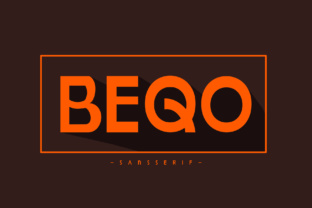
Lightbon: A Timeless Sans Serif for Modern Design
In the ever-evolving world of typography, finding a font that balances modernity with a touch of nostalgia can be challenging. Lightbon offers a unique solution with its elegant sans serif design, combining contemporary clarity with an antique aesthetic. This dual-weight font is not just a visual treat but also a versatile tool for designers aiming to create visually compelling layouts.
Lightbon’s appeal lies in its ability to bridge the gap between traditional and modern design sensibilities. The font’s clean lines and subtle detailing make it suitable for a wide range of applications, from digital interfaces to print materials. Its two distinct weights—light and bold—allow for greater flexibility in typographic hierarchy, enabling designers to emphasize key elements without sacrificing readability.
The Characteristics of Lightbon
Lightbon is designed with a focus on legibility and visual harmony. The font maintains a consistent stroke width throughout, which contributes to its clean and professional appearance. At the same time, the slight variations in the curves and serifs give it a soft, almost handcrafted feel, reminiscent of vintage typefaces but without the drawbacks of older designs.
One of the standout features of Lightbon is its versatility. Whether used in headings, body text, or decorative elements, the font adapts well to different contexts. The light weight is ideal for subtle, elegant typography, while the bold version provides strong visual impact, making it perfect for titles, logos, and callout text.
The font also includes a comprehensive set of glyphs, supporting multiple languages and special characters. This makes it a practical choice for international projects or content that requires extended character sets. Additionally, Lightbon is available in various formats, ensuring compatibility across different design software and platforms.
Advantages of Using Lightbon
Designers who choose Lightbon benefit from a font that is both aesthetically pleasing and functionally sound. One of the primary advantages is its ability to add a sense of sophistication to any project. Whether used in branding, web design, or editorial work, Lightbon elevates the overall look and feel of the design without being overpowering.
Another benefit of Lightbon is its adaptability. The font works well in both digital and print environments, making it a valuable asset for multi-platform projects. For instance, a website using Lightbon for its headings can maintain a cohesive visual identity when the same design is translated into a printed brochure or marketing material.
Furthermore, Lightbon’s balance between modern and antique styles allows it to fit into a variety of design aesthetics. It can complement minimalist layouts by adding a touch of warmth, or it can serve as a focal point in more elaborate compositions. This flexibility makes it a go-to choice for designers looking to add depth and character to their work.
Use Cases for Lightbon
Lightbon is particularly effective in applications where a refined yet approachable look is desired. In the realm of web design, it can be used for navigation menus, section headers, or promotional banners. Its readability at smaller sizes ensures that users can easily engage with content without eye strain.
In the field of branding, Lightbon offers a fresh alternative to more common sans serif fonts. Companies seeking to differentiate themselves through typography can use Lightbon to create a distinctive visual identity. For example, a boutique coffee shop might use the bold weight for its logo, while the light weight could be used for taglines or menu descriptions.
For educators and researchers, Lightbon can enhance the presentation of information. When used in presentations or academic papers, the font adds a level of professionalism without distracting from the content. Its clear structure supports readability, making it an excellent choice for long-form text.
Additionally, Lightbon is well-suited for editorial projects such as magazines, newsletters, or e-books. Its ability to maintain visual interest over extended reading sessions makes it a practical option for publishers looking to improve user engagement.
Considerations for Designers
While Lightbon offers many benefits, there are a few considerations to keep in mind when incorporating it into a design. One key factor is the context in which it will be used. The light weight may not be the best choice for large blocks of text due to its delicate appearance, whereas the bold version is better suited for headlines and short phrases.
Designers should also consider the overall tone of their project. Lightbon’s antique-inspired elements may not align with all design styles. For example, a high-tech product launch might benefit more from a sleek, geometric font rather than one with a more traditional feel.
Another consideration is the availability of the font. While Lightbon is widely accessible, designers should ensure that it is properly licensed for their intended use. This is especially important for commercial projects where compliance with font licensing agreements is essential.
Conclusion
Lightbon stands out as a font that successfully merges the elegance of traditional typography with the clarity of modern design. Its dual weights provide flexibility, and its aesthetic appeal makes it a valuable addition to any designer’s toolkit. Whether used in branding, web development, or editorial work, Lightbon offers a timeless quality that enhances the visual impact of any project.
By understanding the characteristics, advantages, and appropriate use cases for Lightbon, designers can make informed decisions that align with their creative goals. As the design landscape continues to evolve, fonts like Lightbon will remain relevant for those seeking a balance between style and functionality.