Dreamer: A Handwritten Script for Expressive Design
Dreamer is a unique script font that brings a youthful and artistic touch to any design project. With its casual, handwritten appeal, Dreamer adds a sense of sincerity and authenticity that can elevate the visual impact of your work. Whether you're a designer, business owner, or creative professional, understanding the value of Dreamer can help you make informed decisions about its use in your projects.
What Makes Dreamer Unique?
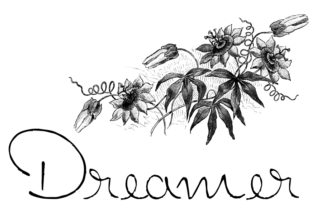
Dreamer stands out due to its natural, handcrafted look. Unlike more rigid or formal fonts, Dreamer mimics the irregularities of real handwriting, giving it a warm and approachable feel. This characteristic makes it ideal for projects that aim to convey a personal or emotional message.
The font features soft curves, varied stroke widths, and subtle inconsistencies that mimic the way a person might write with a pen or brush. These elements contribute to its overall charm and make it particularly effective in contexts where a human touch is desired.
Key Features of Dreamer
- Handwritten Aesthetic: Dreamer's design emulates the natural flow of hand-drawn letters, making it perfect for creative and expressive projects.
- Flexibility: The font works well in both digital and print formats, offering versatility across different media.
- Emotional Resonance: Its casual style can evoke feelings of warmth, sincerity, and creativity, making it ideal for branding or storytelling.
When to Use Dreamer
Dreamer is best suited for projects that require a personal or artistic touch. It can be used in a variety of applications, from logos and headlines to social media graphics and packaging designs. Its informal nature makes it especially useful in industries such as fashion, art, and lifestyle branding.
For example, a small business owner looking to create a brand identity that feels authentic and relatable might choose Dreamer for their logo. Similarly, a designer working on a wedding invitation could use Dreamer to add a romantic, personalized flair.
Real-World Applications
- Branding: Dreamer can be used to create a distinctive and memorable brand identity that feels genuine and approachable.
- Marketing Materials: From posters to email newsletters, Dreamer can add a fresh, creative edge to promotional content.
- Personal Projects: Artists, writers, and creators often use Dreamer to enhance the visual appeal of their portfolios or personal websites.
Who Benefits from Using Dreamer?
Dreamer is particularly beneficial for individuals and businesses that want to communicate a sense of authenticity and creativity. It appeals to a wide range of users, including:
- Graphic Designers: Those looking for a versatile and expressive font to enhance their designs.
- Small Business Owners: Entrepreneurs who want to create a unique brand image without the need for complex typography.
- Content Creators: Bloggers, YouTubers, and social media managers who seek to add a personal touch to their visuals.
Its ease of use and friendly appearance make it accessible to both professionals and beginners alike.
Strengths and Considerations
One of Dreamer's greatest strengths is its ability to convey emotion and personality through typography. However, it’s important to consider its limitations. Due to its informal style, Dreamer may not be suitable for all types of projects, particularly those requiring a more formal or structured look.
Additionally, while Dreamer offers a unique aesthetic, it may not be the best choice for long blocks of text. Its readability can vary depending on the size and context in which it is used. For this reason, it is often best used for headings, titles, or short phrases rather than body copy.
How to Evaluate if Dreamer Is Right for Your Project
Before deciding to use Dreamer, consider the goals of your project and the message you want to convey. Ask yourself questions such as:
- Does my project benefit from a more personal or artistic tone?
- Will Dreamer complement the overall design and message of my work?
- Is there a risk that the font might be too informal for the intended audience?
Testing Dreamer in different contexts can also help you determine its effectiveness. Experimenting with various sizes, colors, and backgrounds can give you a better sense of how it will perform in your specific application.
Alternatives to Dreamer
If Dreamer doesn’t quite fit your needs, there are other script fonts available that offer similar qualities. Fonts like Lobster, Great Vibes, or Playfair Display provide different levels of formality and style. Exploring these alternatives can help you find the right balance between creativity and clarity for your project.
Conclusion
Dreamer is a versatile and expressive font that can bring a sense of warmth and sincerity to your designs. Its handwritten appeal makes it ideal for projects that aim to connect emotionally with the audience. By understanding its strengths, limitations, and appropriate use cases, you can make informed decisions about whether Dreamer is the right choice for your next creative endeavor.