Boven: A Modern, Masculine Font for Versatile Use
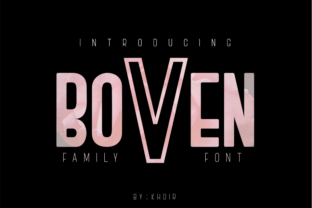
Boven is a contemporary font designed with a strong, masculine aesthetic that makes it ideal for a wide range of applications. Its clean lines and bold structure give it a confident presence, making it suitable for both digital and print media. Whether used in branding, web design, or editorial layouts, Boven offers a versatile solution that can elevate the visual appeal of any project.
Understanding Boven: A Brief Overview
Boven is a typeface that combines modern design principles with a robust, masculine feel. It is often chosen for projects that require a sense of strength and authority. The font features a balanced weight distribution, which ensures readability across different sizes and formats. This makes it particularly useful for headings, logos, and other prominent text elements where clarity and impact are essential.
The font also includes a variety of stylistic alternatives and special characters, which can be beneficial for designers looking to add unique touches to their work. These bonuses allow for greater flexibility, enabling users to customize their designs without sacrificing consistency.
Why Someone Might Be Interested in Boven
Designers and developers may find Boven appealing for several reasons. Its masculine character makes it well-suited for industries that emphasize strength, such as technology, automotive, and finance. Additionally, its modern appearance aligns with current design trends, making it a popular choice for contemporary projects.
For those working on brand identity, Boven can help establish a strong visual language. Its boldness can convey confidence and professionalism, which are important qualities for many businesses. Moreover, the font’s versatility allows it to be used across multiple platforms, from websites to mobile apps, ensuring a cohesive look throughout different mediums.
Benefits of Using Boven
One of the primary advantages of Boven is its readability. Despite its bold structure, the font maintains a level of clarity that makes it easy to read, even at smaller sizes. This is particularly important for user interfaces and other design elements where legibility is crucial.
Boven also offers a high level of customization. With access to alternate glyphs and stylistic sets, users can tailor the font to suit their specific needs. This flexibility can be especially valuable for designers who want to create unique, personalized looks without having to rely on multiple fonts.
Another benefit is its adaptability. Boven works well in both digital and print environments, making it a practical choice for a wide range of projects. Whether used in a website header, a magazine layout, or a product label, the font maintains its visual integrity and impact.
Considerations and Tradeoffs
While Boven has many strengths, it may not be the best choice for every project. Its bold, masculine style could be too aggressive for certain contexts, such as educational materials or soft, approachable brands. In these cases, a more neutral or feminine font might be more appropriate.
Additionally, the font’s emphasis on strength and masculinity may limit its applicability in some creative fields. For example, in fashion or lifestyle design, a more delicate or ornate typeface might be preferred. Designers should consider the tone and message they want to convey before selecting Boven.
Another factor to consider is the availability of the font. While Boven is widely used, it may not be included in all design software by default. Users may need to purchase or license the font separately, which could add to the overall cost of a project.
Situations Where Boven Is a Strong Fit
Boven is particularly effective in scenarios where a strong, confident visual presence is needed. For instance, in corporate branding, the font can help communicate professionalism and reliability. It is also well-suited for tech-related projects, where a modern, sleek look is often desired.
Logos and headings are another area where Boven shines. Its bold structure makes it ideal for titles that need to stand out, while its clean design ensures it remains readable and professional. In editorial design, Boven can be used to highlight key sections or emphasize important information.
For mobile app design, Boven’s readability at various sizes makes it a practical choice. It can be used for navigation menus, buttons, and other interactive elements, providing a clear and consistent visual experience for users.
Situations Where Alternatives May Be Worth Considering
In some cases, alternative fonts may be more suitable. For example, if a project requires a softer or more elegant look, a serif or script font might be a better option. These fonts can convey a sense of sophistication or tradition that Boven may not provide.
For projects that prioritize minimalism, a sans-serif font with a more neutral appearance could be preferable. These fonts often offer a cleaner, more modern look that complements a wide range of design styles.
Designers should also consider the target audience when choosing a font. If the audience prefers a more traditional or conservative style, a different typeface may be more effective in communicating the intended message.
Practical Insights for Decision-Making
When deciding whether to use Boven, it’s important to evaluate the specific needs of the project. Consider the tone, audience, and medium to determine if the font aligns with the overall design goals. Testing the font in different contexts can also help identify potential issues or opportunities for improvement.
Users should also explore the font’s features and variations to see how they can enhance the design. Understanding the available options can lead to more informed decisions and better results.
Finally, it’s worth considering the long-term implications of using Boven. While it may be a strong fit for the current project, designers should ensure that it remains relevant and effective over time. This includes assessing how well it adapts to future design trends and technological changes.